We are a handful of people who build situations in natural landscapes. We take science and fiction seriously and help them weave together in a particular place and way, so that something really happens to the people inside. We don’t explain, we just say: uite. Look.
Future (projects for 2027)
-
The living room among the trees
We meet in the forest and build ourselves a living room. The children invent games without instructions: they become birds, build bases, move into a tree. We look at what it is like to be in the forest without having come to find something, get somewhere or complete a task. What happens when, for a while, we have nothing to gain?
-
How a world is made
A group of children receives many thousands of LEGO pieces and is left, over a few days, to build a world together, in nature, at the foot of a fortress. Cities, houses, castles, roads and borders appear. With them come rules, conflicts and different ways of imagining the world. And in the end it falls apart.
-
The restaurant in the forest
The children build a real restaurant in the forest, and for one day they receive guests. It is an exercise in how we build the social world and how quickly our inventions start to seem natural. But also in what it means to open a place to others and make sure they feel welcome.
-
The great dinosaur hunt
A dinosaur has appeared in the forest, and the children will hunt it in their improvised tribe. Of course the dinosaur won’t let itself be caught, and puts them through a test of endurance and inventiveness. It is an experiment about what it means to search, to help one another, to go further than we think we can, and to accept that sometimes our effort may not succeed.
-
The space capsule from the future
The Romanian Army has chosen a few children for a special mission: to find a space capsule that fell from the future somewhere in the forest. They search for it as a team, trying to understand what happened and what the capsule has to do with the world we live in. How do we relate to what we cannot understand, and how do we build explanations together?
-
The family camp
Children and parents spend several days in nature and learn from one another to look at nature and the people around them with different eyes. Artistic and scientific interventions help them open up to what surrounds them and explore reality on a more fundamental level.
-
223km
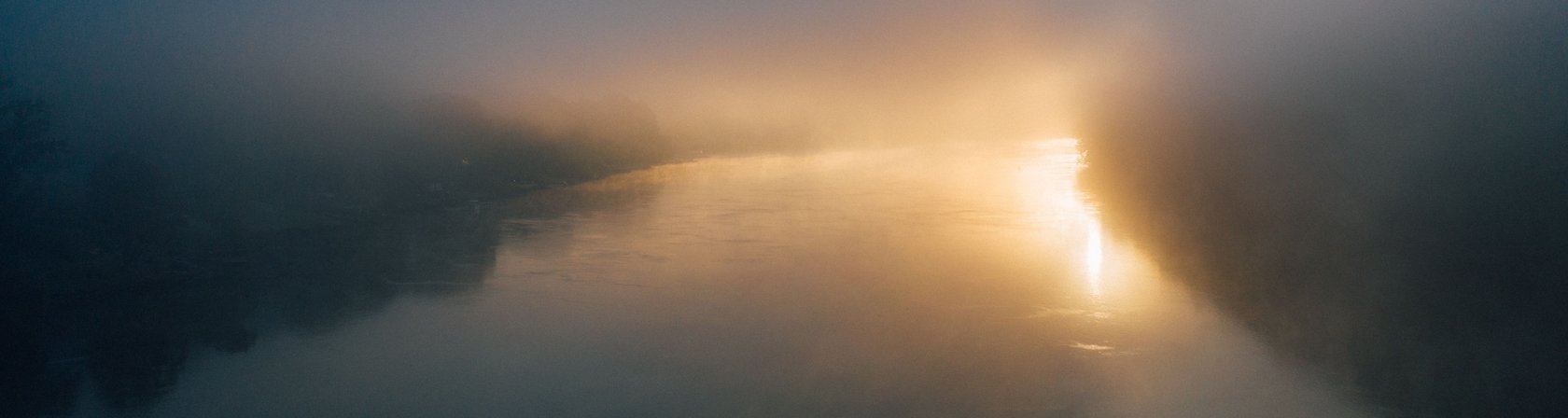
For two weeks, we follow the Târnava Mare river from the place where it begins to the place where it stops being itself. Through it, on it, under it, beside it. We go to the very end of something, follow it without knowing where it leads, and see how a territory can become a story when you cross the whole of it.
-
Painting in nature
We spend a whole day with a group of children and an art teacher, in a secret place with a peaceful view. We paint what we notice patiently: a cracked bark, a shadow on the move, the exact colour of a leaf’s underside. We learn to look slowly, to choose one detail and to take care of it on paper. You only find out where it is if you come.