The camp at Colțești
Since 2022, the Family Camp at Colțești has had six editions, each adding something to the way we imagine a meeting between people, children and nature. We started from practical questions: how can we live together for a few days without the organising becoming a chore? How can we set up a place where adults feel good, children have freedom, and nature is not just the backdrop of a holiday?
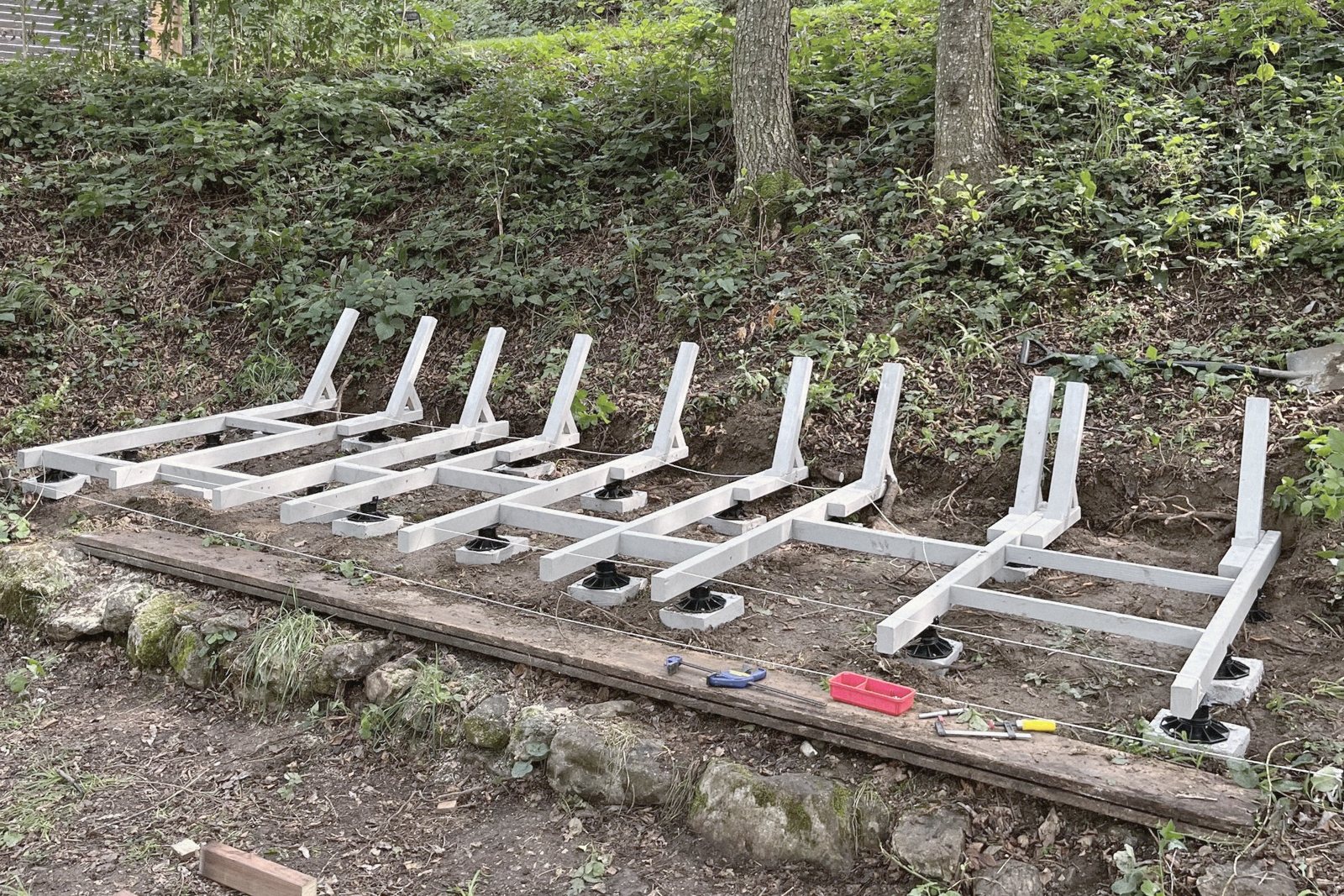
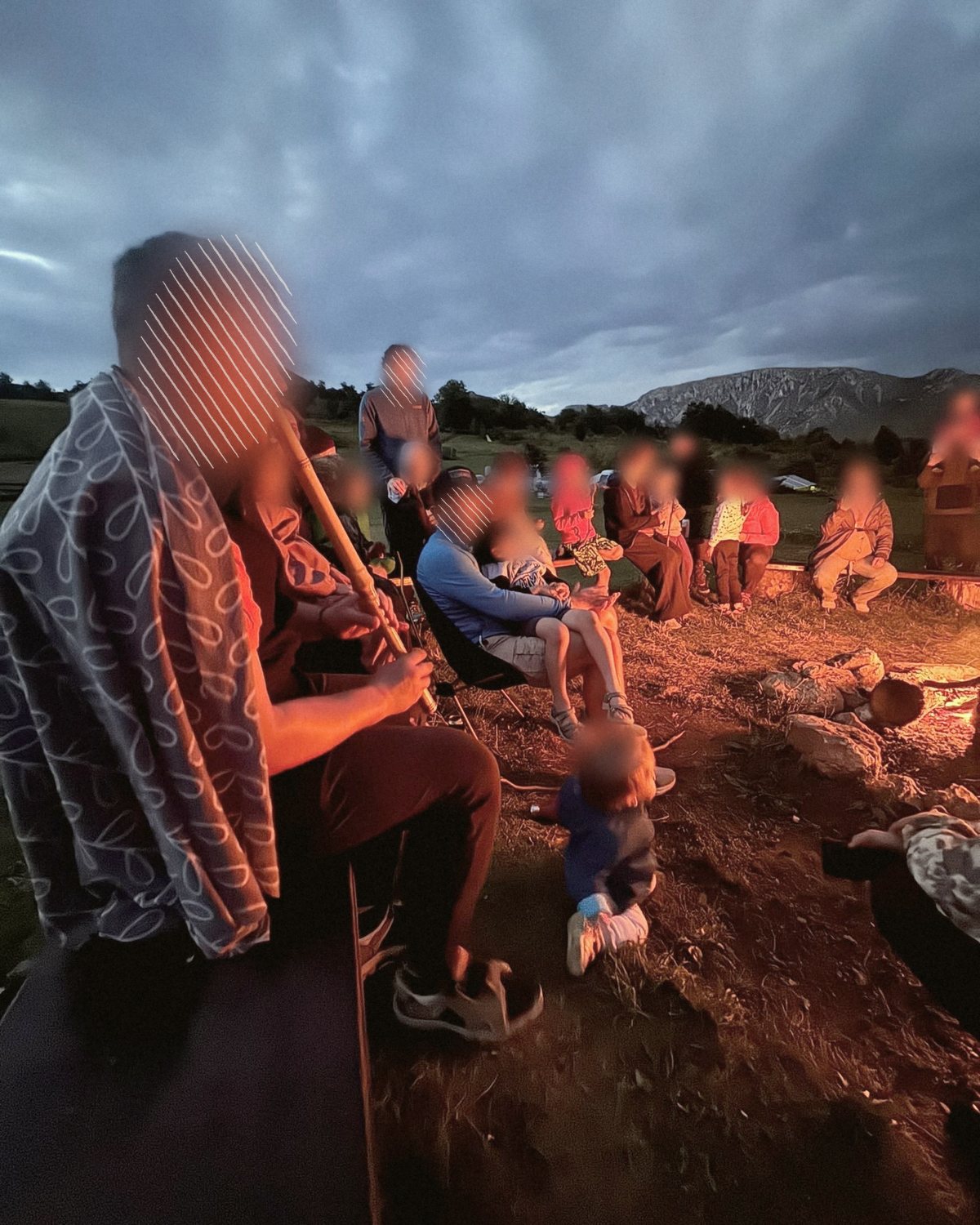
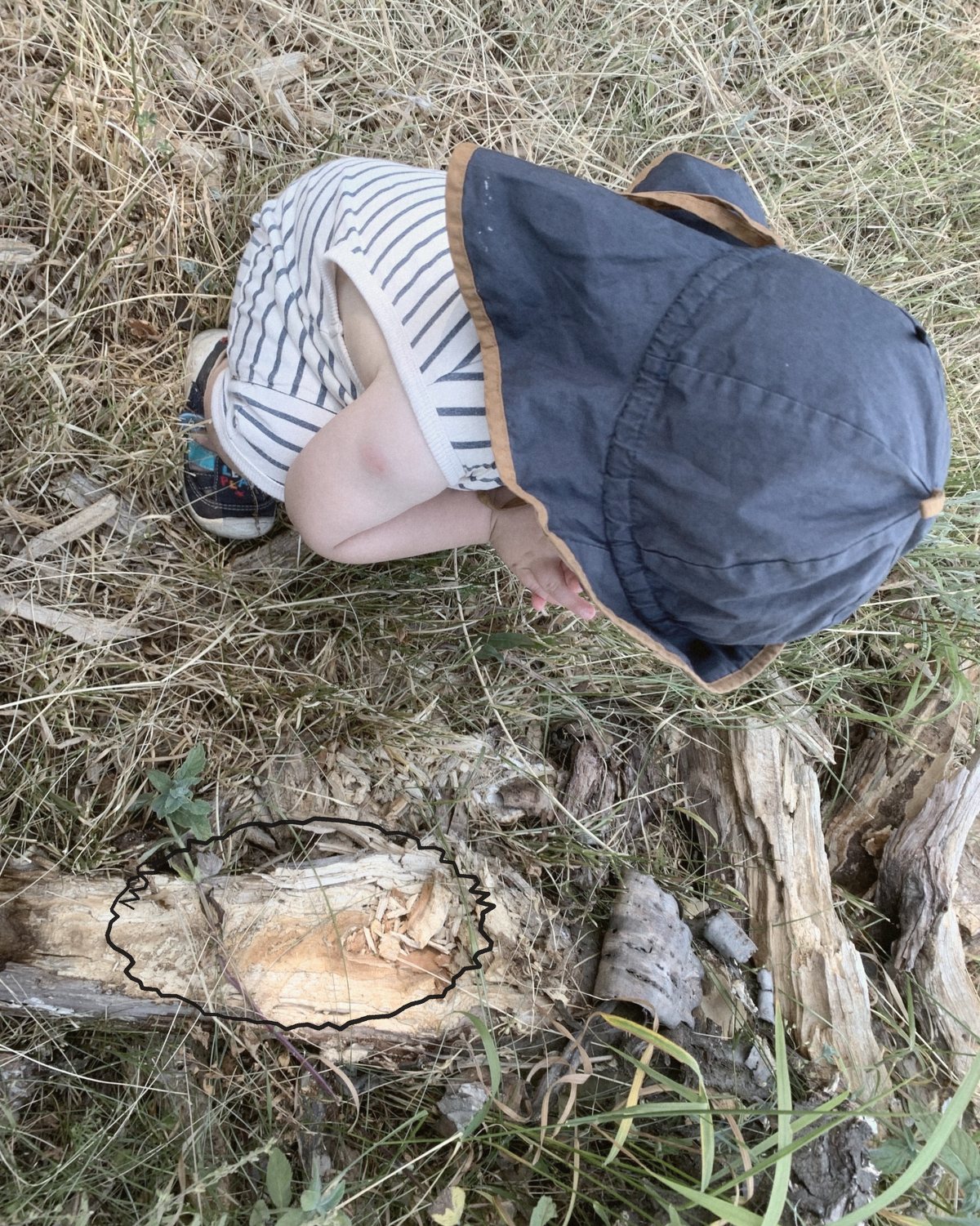
We built a lounge and experimented with the idea of an open-air living room. We opened an art gallery in the forest, with 32 works by six international artists. We organised workshops with biologists, explored different habitats and tried out ways of meeting music, visual art, installation, performance and movement. But an important part of the camp happened outside the programme. The children invented games, set off on expeditions of discovery and played in the cold water of a mountain stream. Some of the best moments came about without anyone planning them.
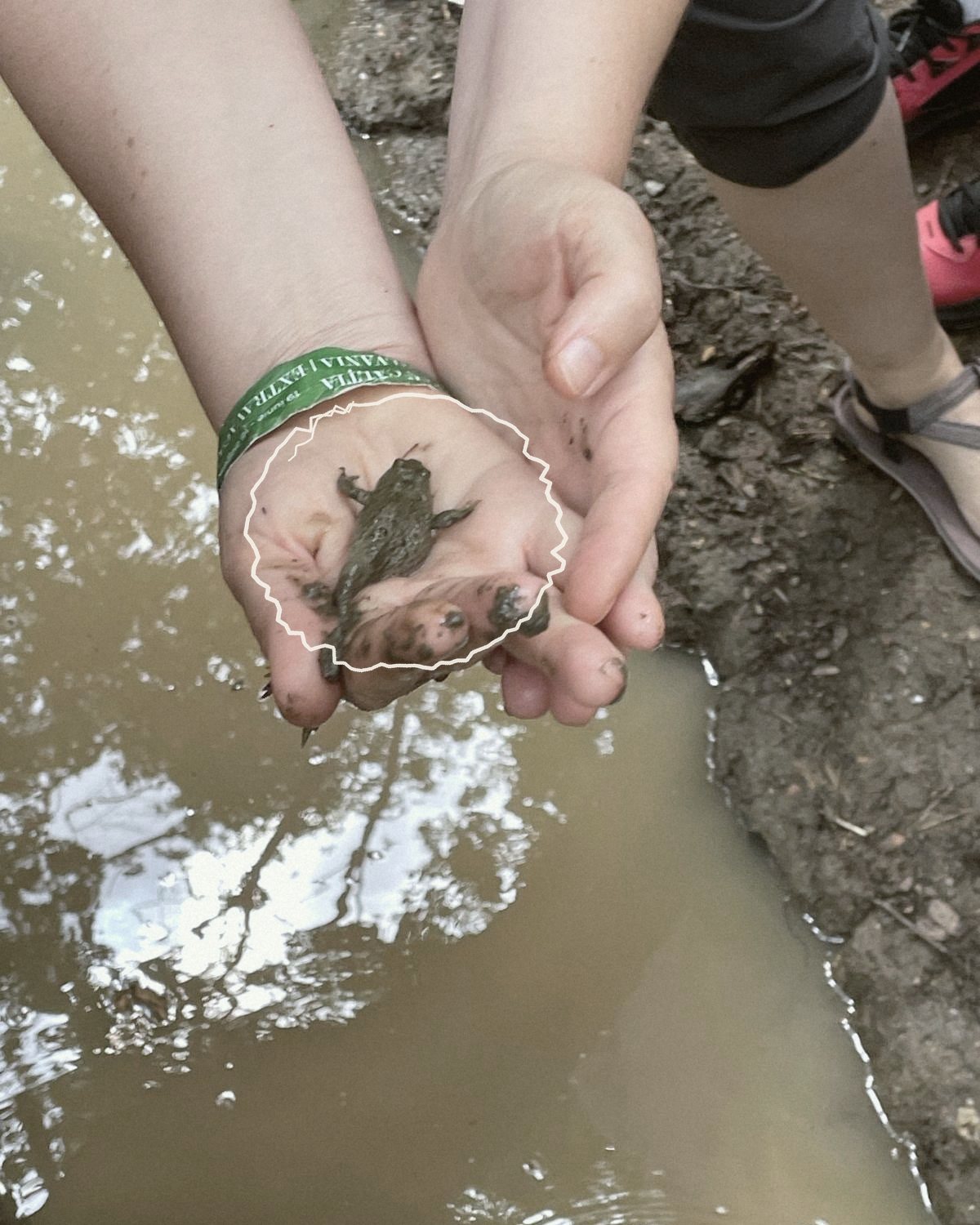
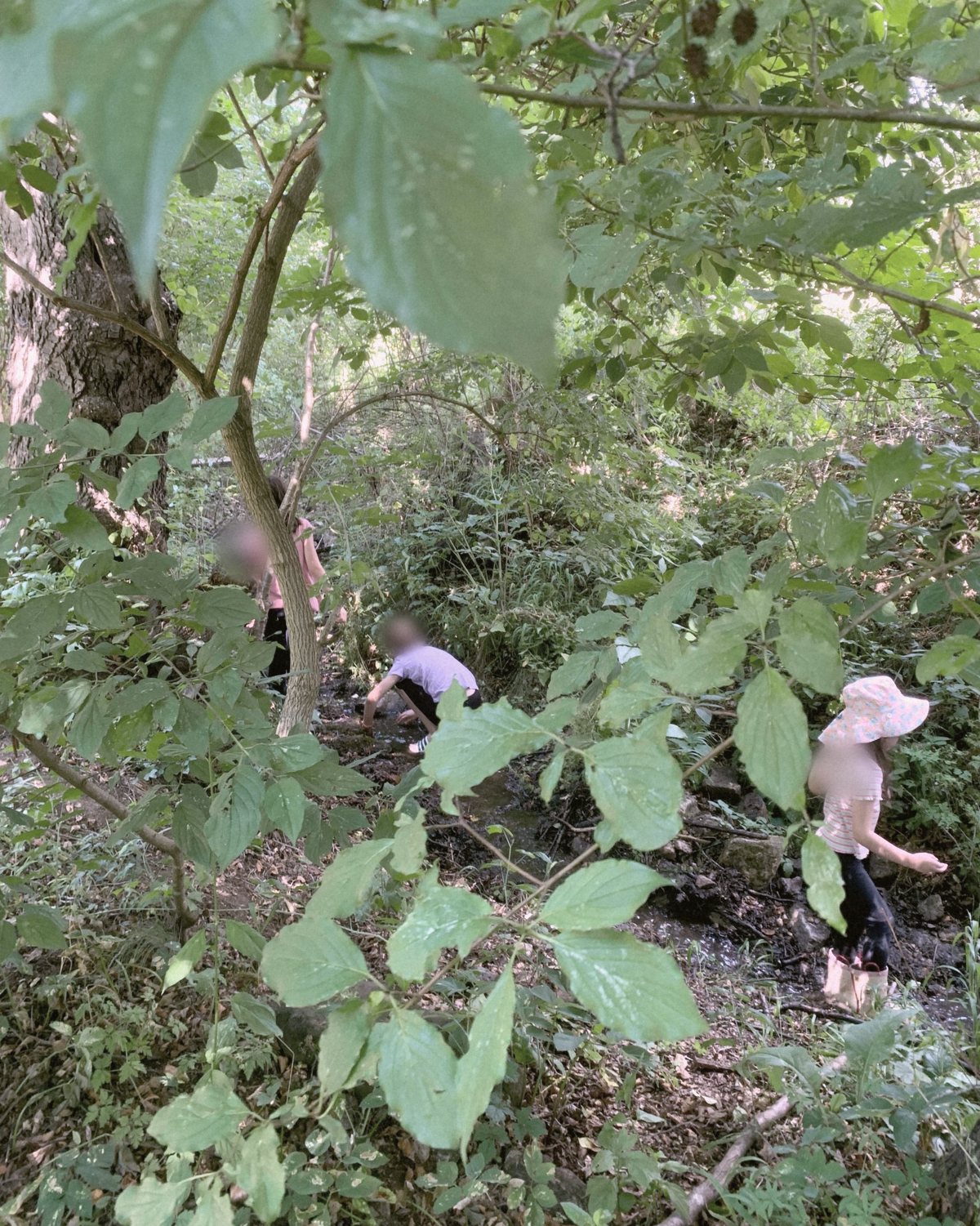
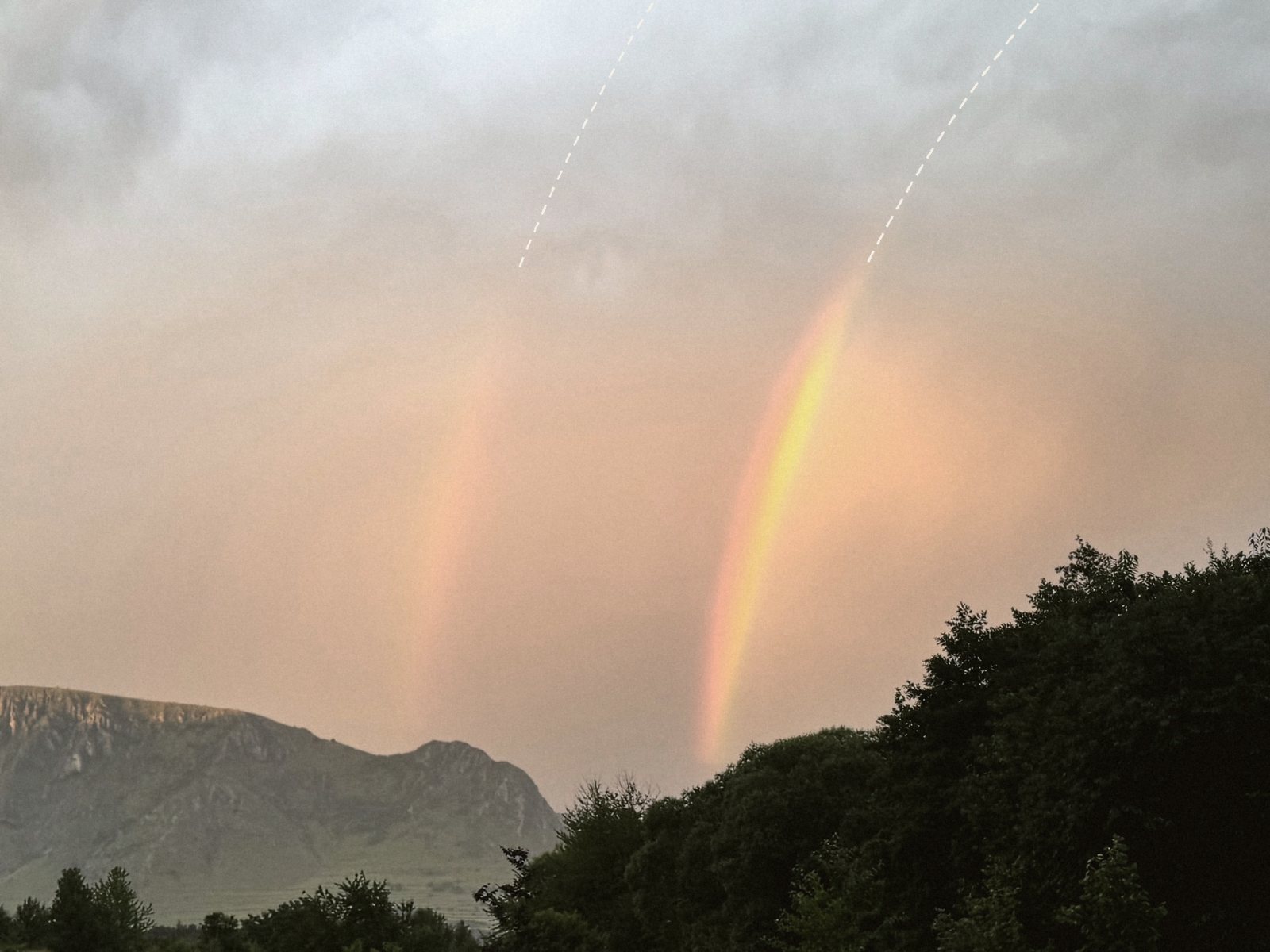
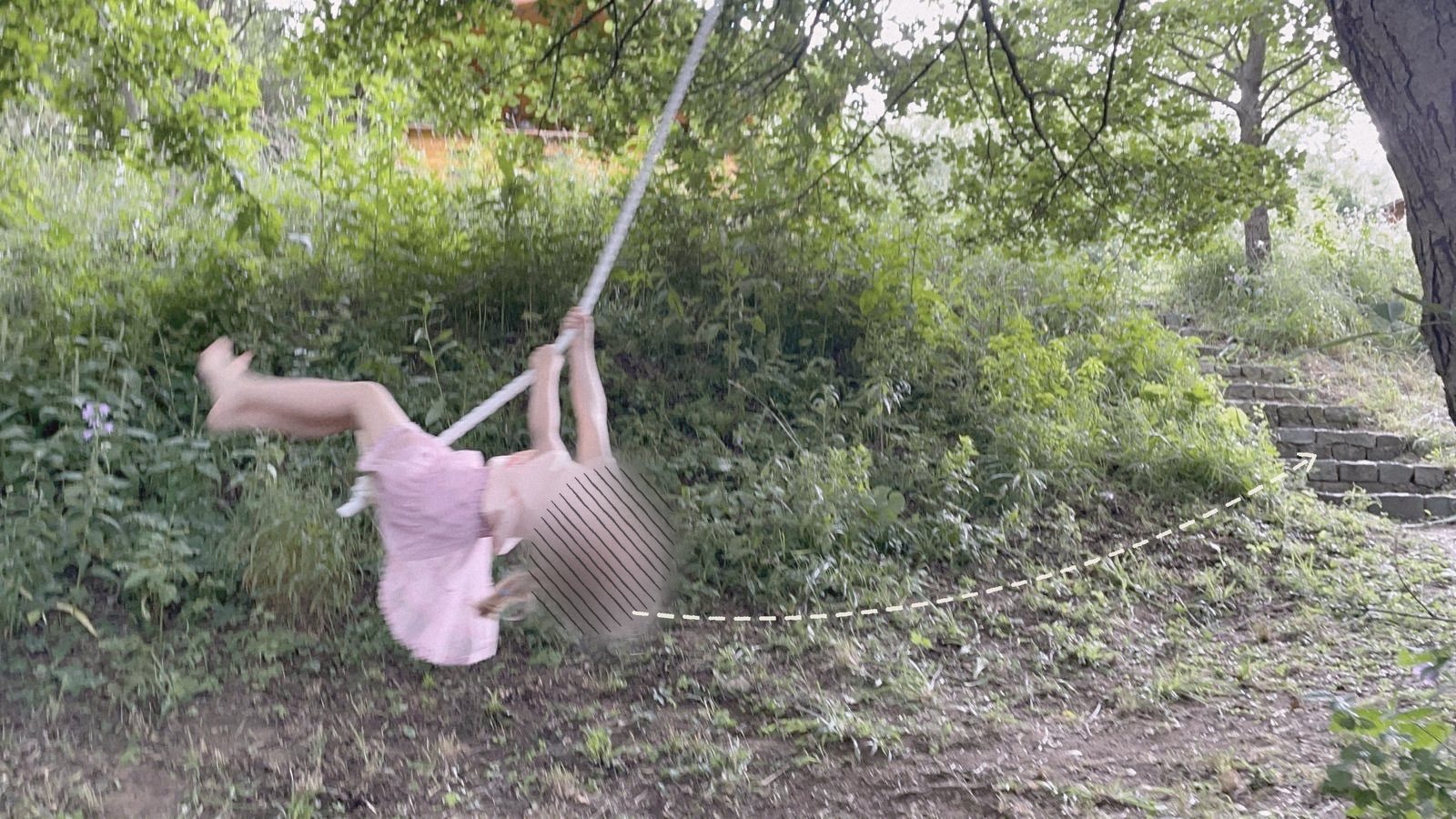
Over time, the camp became less about a sequence of activities and more about the conditions in which something can happen between people. About children who find their own things to do, adults who can truly relax, and groups who end up sharing a place, a table, a discovery or simply a few hours of quiet. An experience of learning in nature, free play and life in common, without every moment having to produce a result.
Amural: an experimental nest in the city
Over several years, we built and curated an experimental stage inside the Amural festival. We were free to treat the site not just as a space for concerts but as an environment that could be transformed. On a rock, beside a stream and right next to the old city wall, we tried to build a kind of nest: a refuge where you could sit down, listen for hours, meet people, or simply stay away from the bustle of the festival without leaving the city.
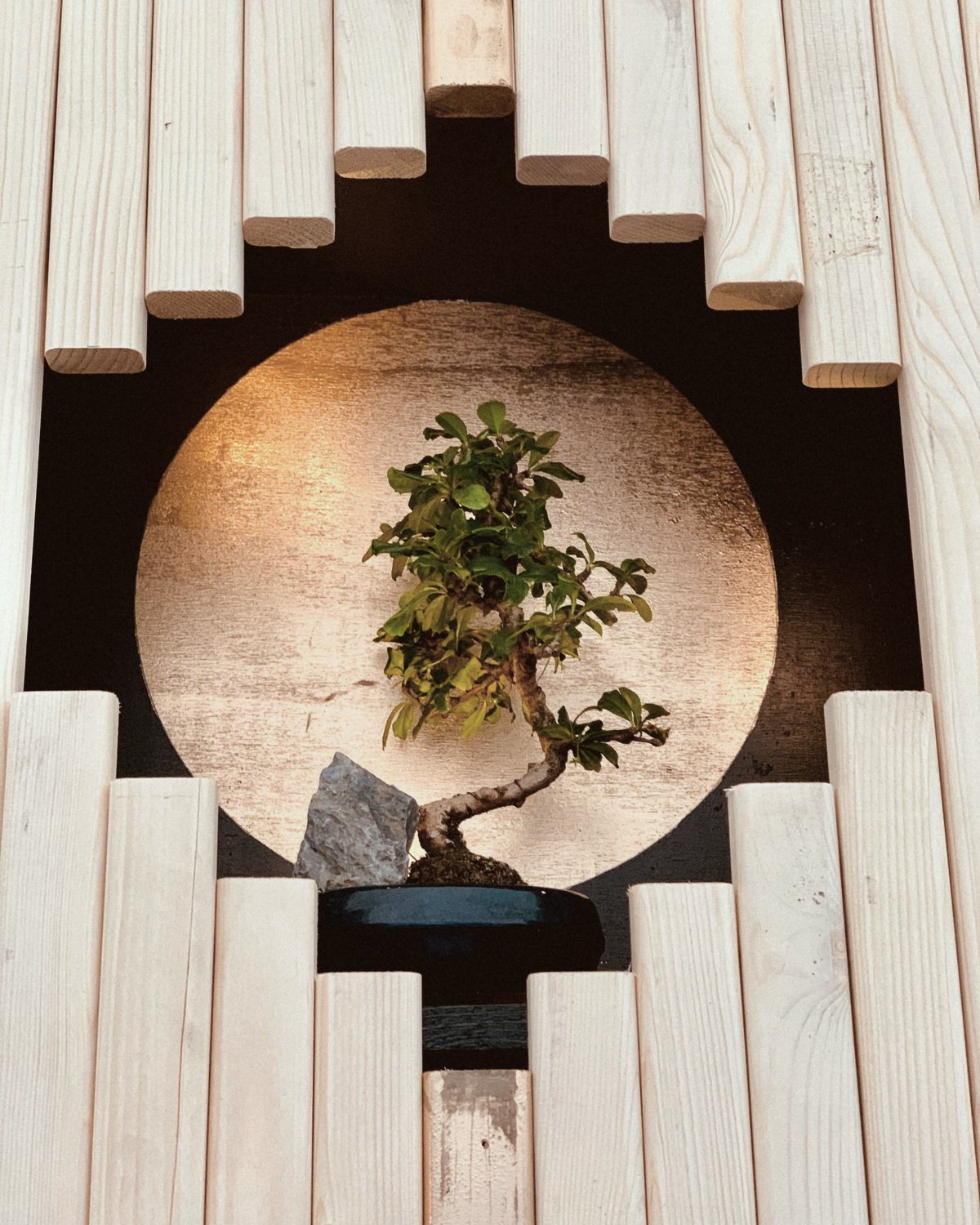
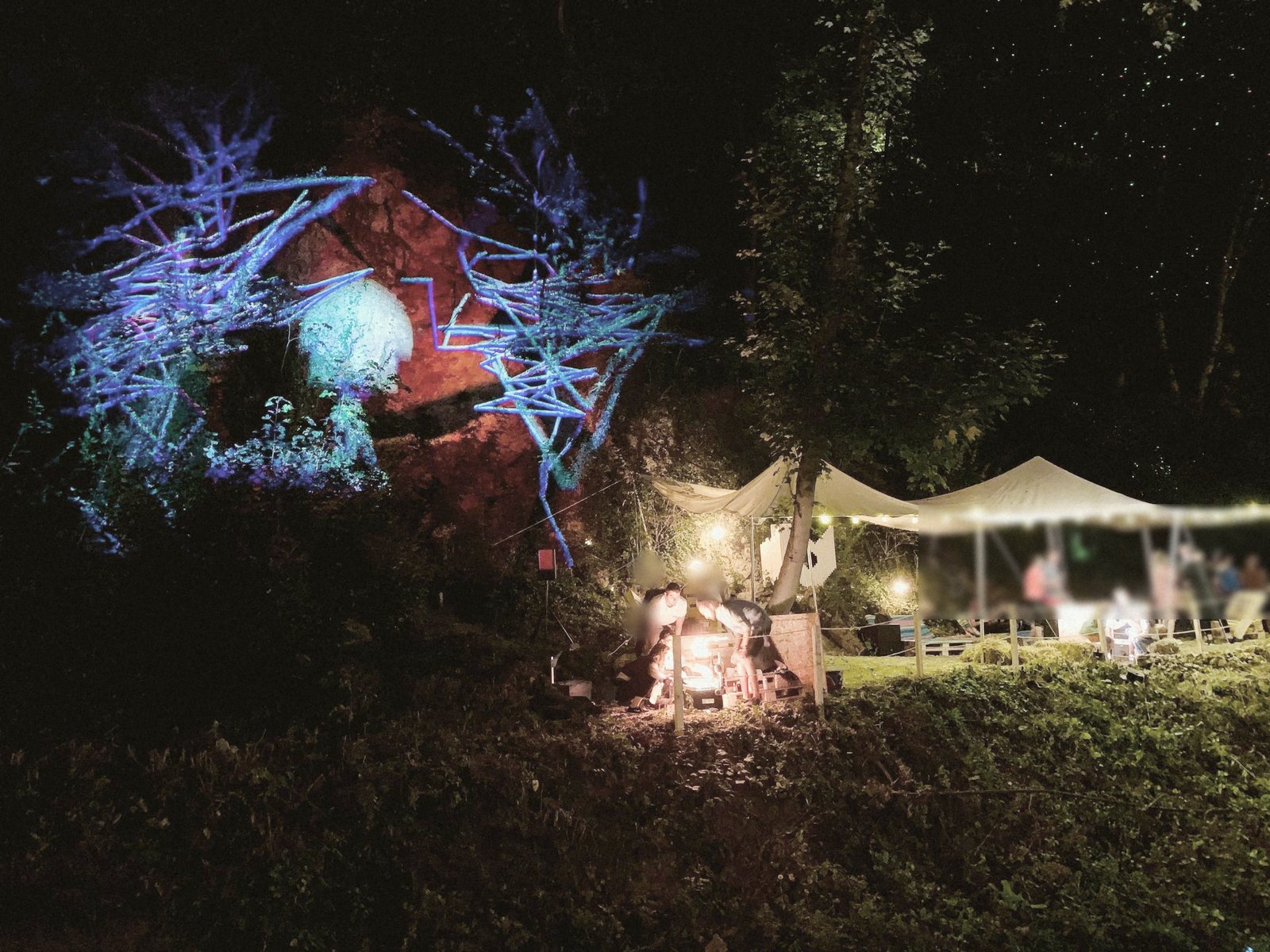
We cleared the site, set up a welcoming tent and worked on the sound, ambient lighting and the comfort of the audience. We sought out Romanian producers of experimental and ambient music, including artists just starting out, and gave them a setting in which to present their work to an attentive audience. Music thus became part of a wider experience, bound up with architecture, water, plants, light and the presence of others.
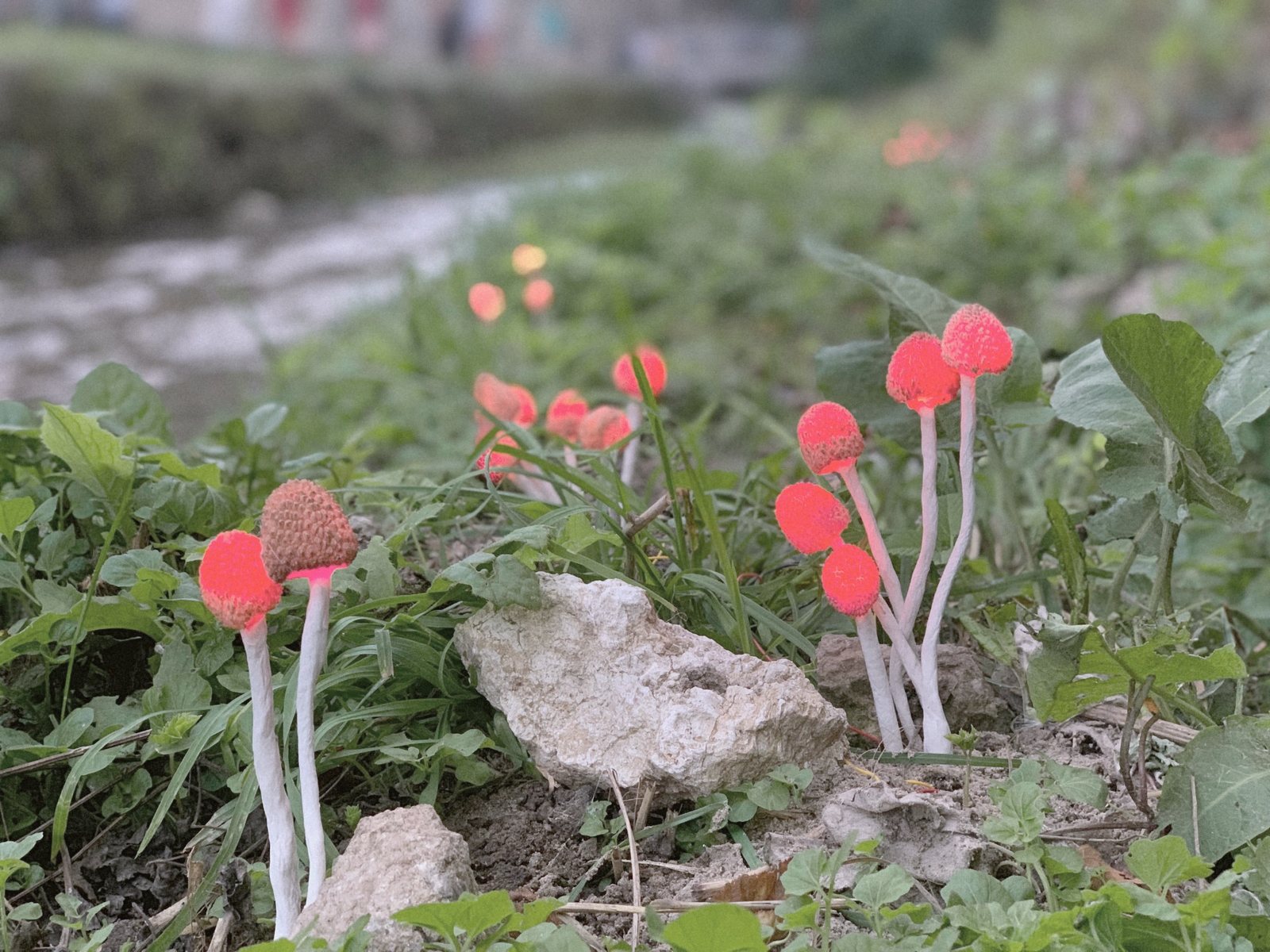
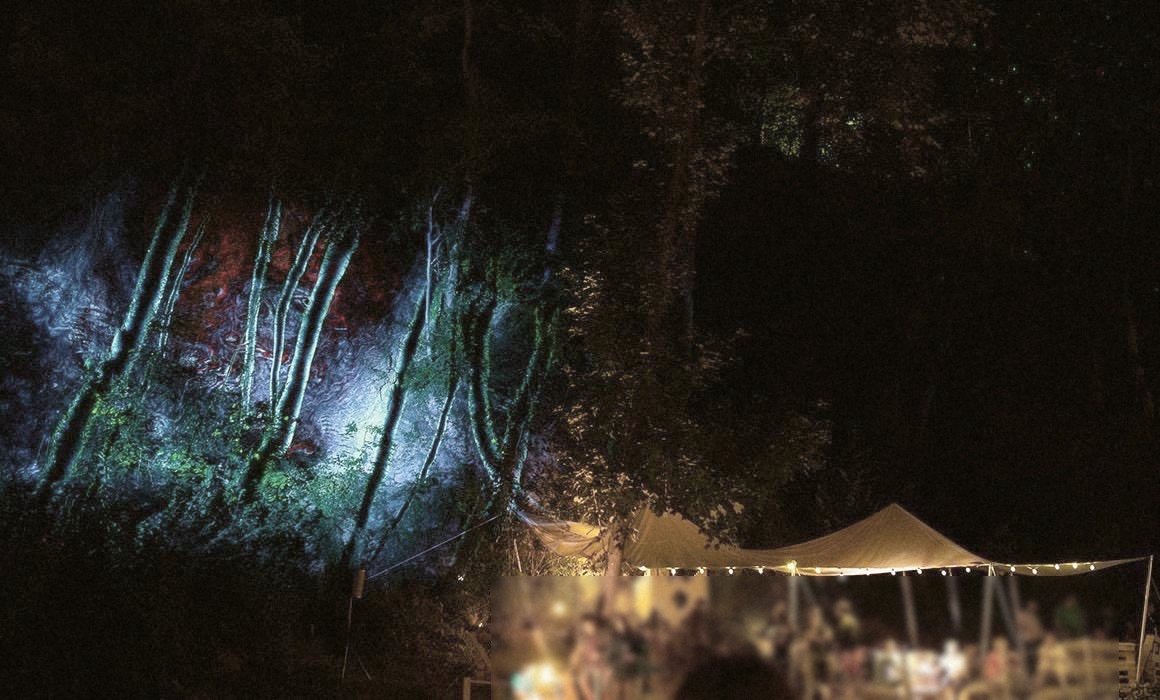
Alongside this, we were interested in the festival’s experimental potential: bold video-mapping projects on architecture and interactive analogue experiments, where visitors could step in, play and find out for themselves how things work. Amural gave us the chance to explore the meeting of nature and city, heritage and technology, art installation and social space.
Installations and performance art
We have made installations and performance-art experiments in secluded places in nature: forests, lake shores, hills and other spaces where there is no particular reason to stop. We went there with glass, wood, coloured materials, objects, ideas or a few questions, and saw what could happen. Sometimes we built something; other times we changed the way a place could be perceived. We worked with materials and forms, but also with philosophical concepts, invented rules, absurd gestures and experiments taken deliberately to the edge of their uselessness.
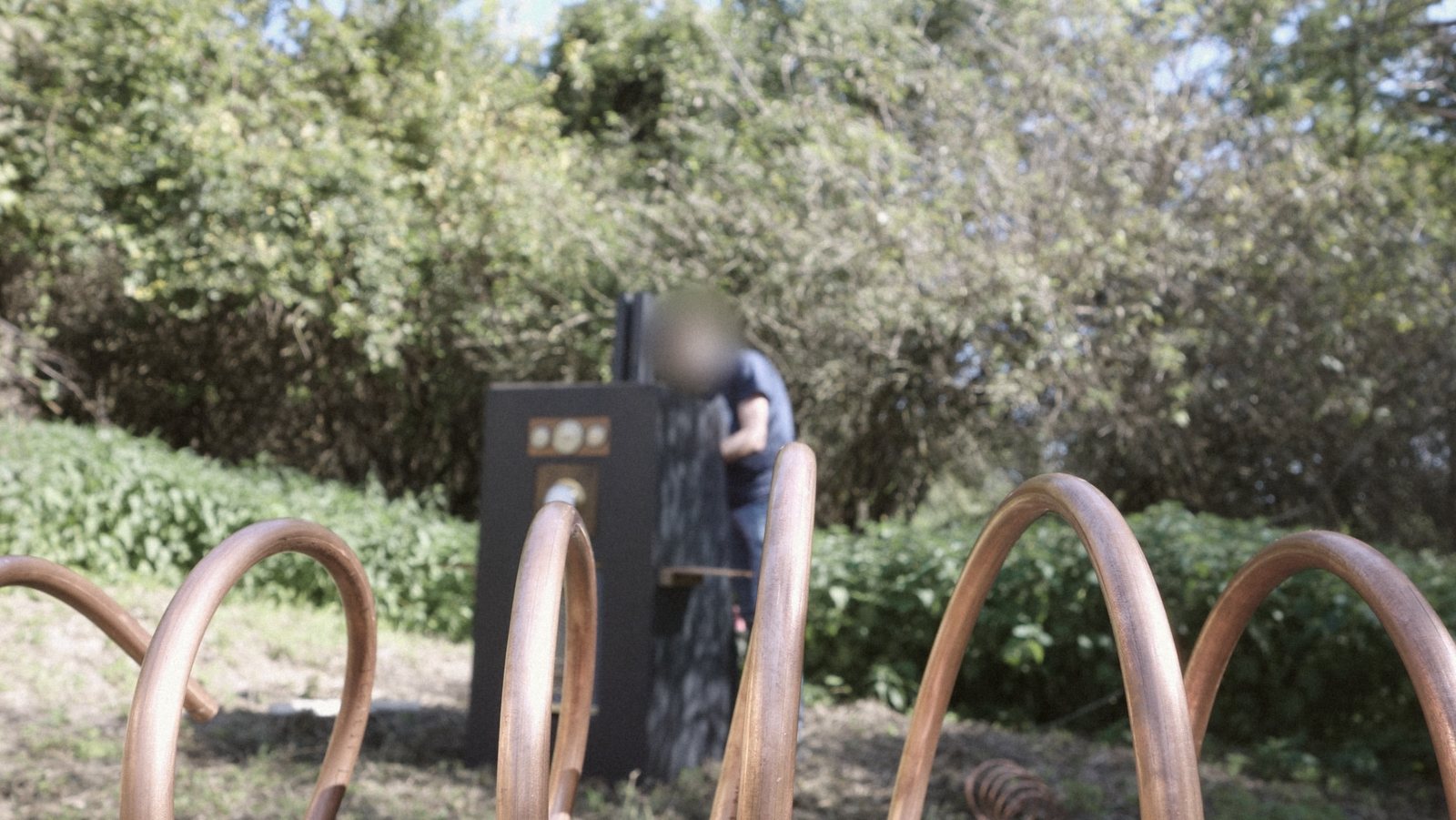
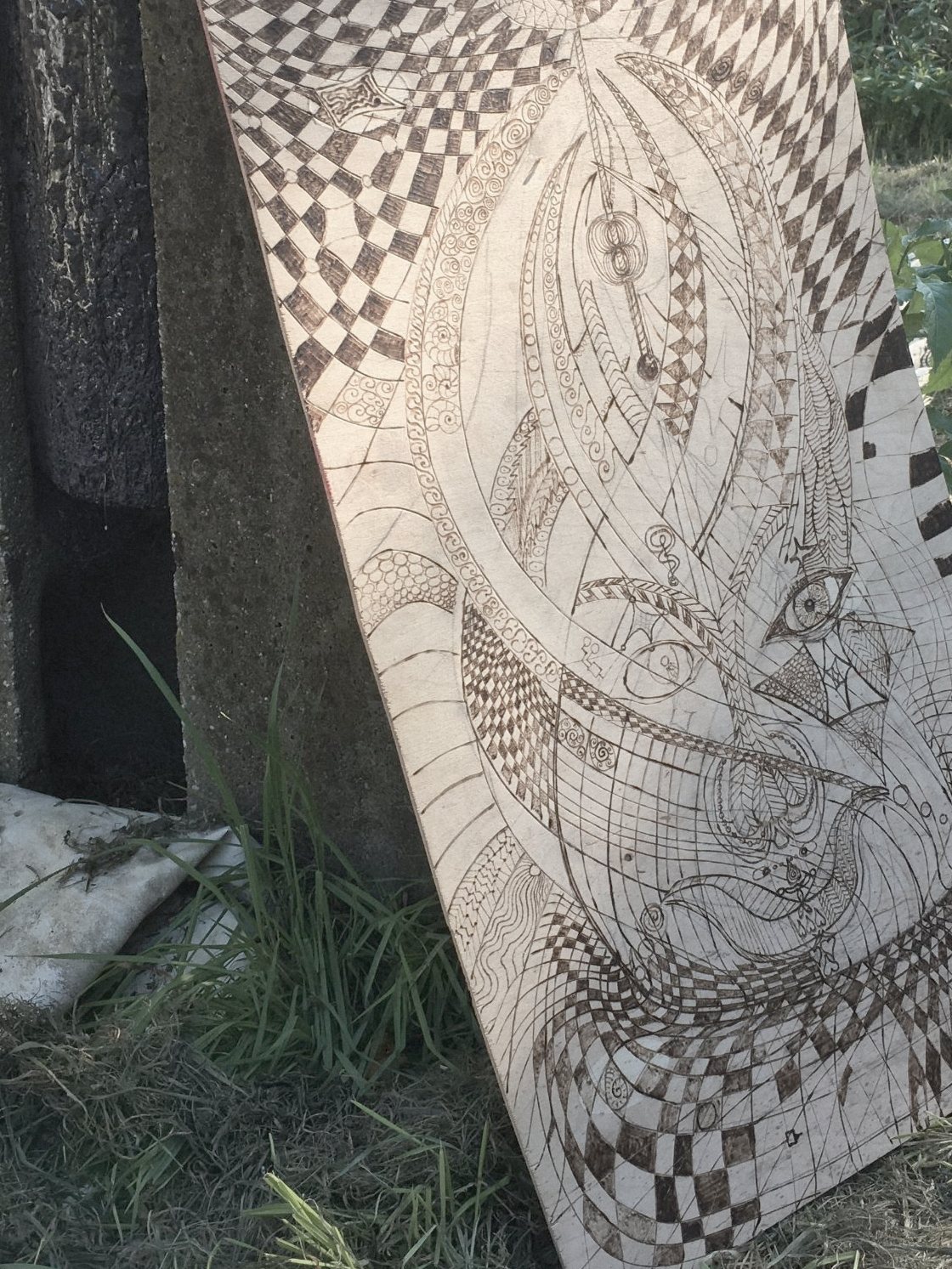
Some interventions had a small audience of a few friends or unusual people we met along the way. Others had no audience at all. We did things to watch how materials react, how a landscape changes through a minor intervention, or what happens when a group of people agrees to follow an idea without knowing where it leads. Sometimes, at the end, we set fire to what we had built and let the place go back to what it had been.
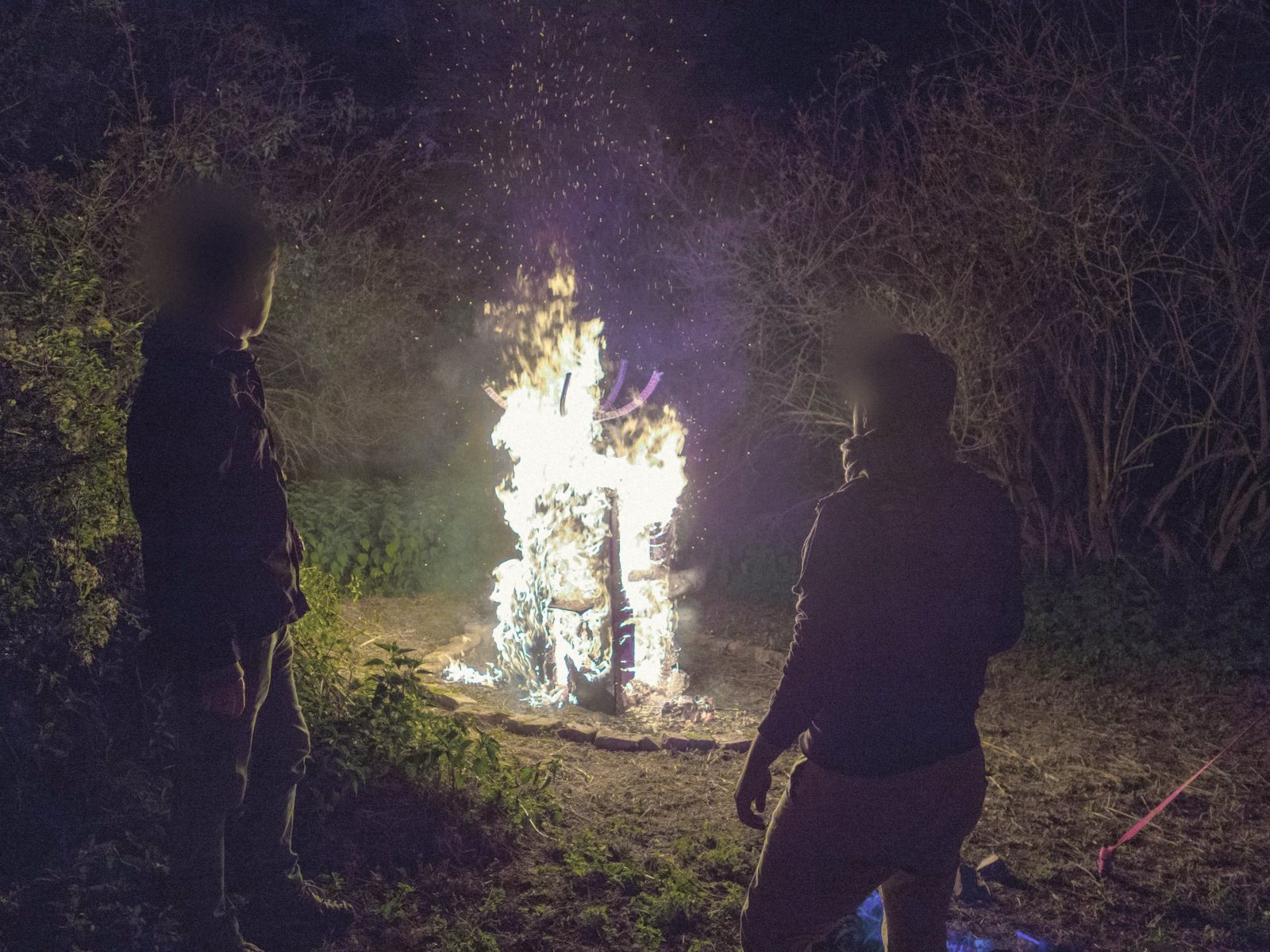
These projects sit somewhere between contemporary art, land art, site-specific intervention, participatory performance and philosophical experiment. Let’s say they are forms of artistic research outside institutions, made in direct relation to a place, to the materials at hand and to the people who happen to be there. Sometimes the result is an installation. Other times, just an occurrence that had no reason to exist, and was worth trying precisely for that reason.